Build focus and connection with your dog
This exercise is a lot of fun and an absolute favourite of many dogs. You can use it for different purposes and achieve results you never thought possible!
How do I do it?
The exercise is easy to learn, but there are a few little things that can be helpful to know before you get started.
Throw treats different distances away from you, depending on where you are. Sometimes this exercise can involve short, slower throws if you want your dog to be calm in the situation, and sometimes we can throw far, with the dog on a long lead or off-lead. You choose whether you want your dog to get excited and practice focus, or if you'd rather they slow down and be able to be calm.
Wait for your dog to reconnect with you. In other words, be completely silent until your dog looks towards you again. Then you can say "GOOD" (or your chosen positive reinforcement word) and throw the next treat the other way. This gives your dog the opportunity to take in the environment and, depending on how they react, you'll be able to see if the environment is too challenging at the moment. Read on for more tips on why this is important.
Introducing new environments
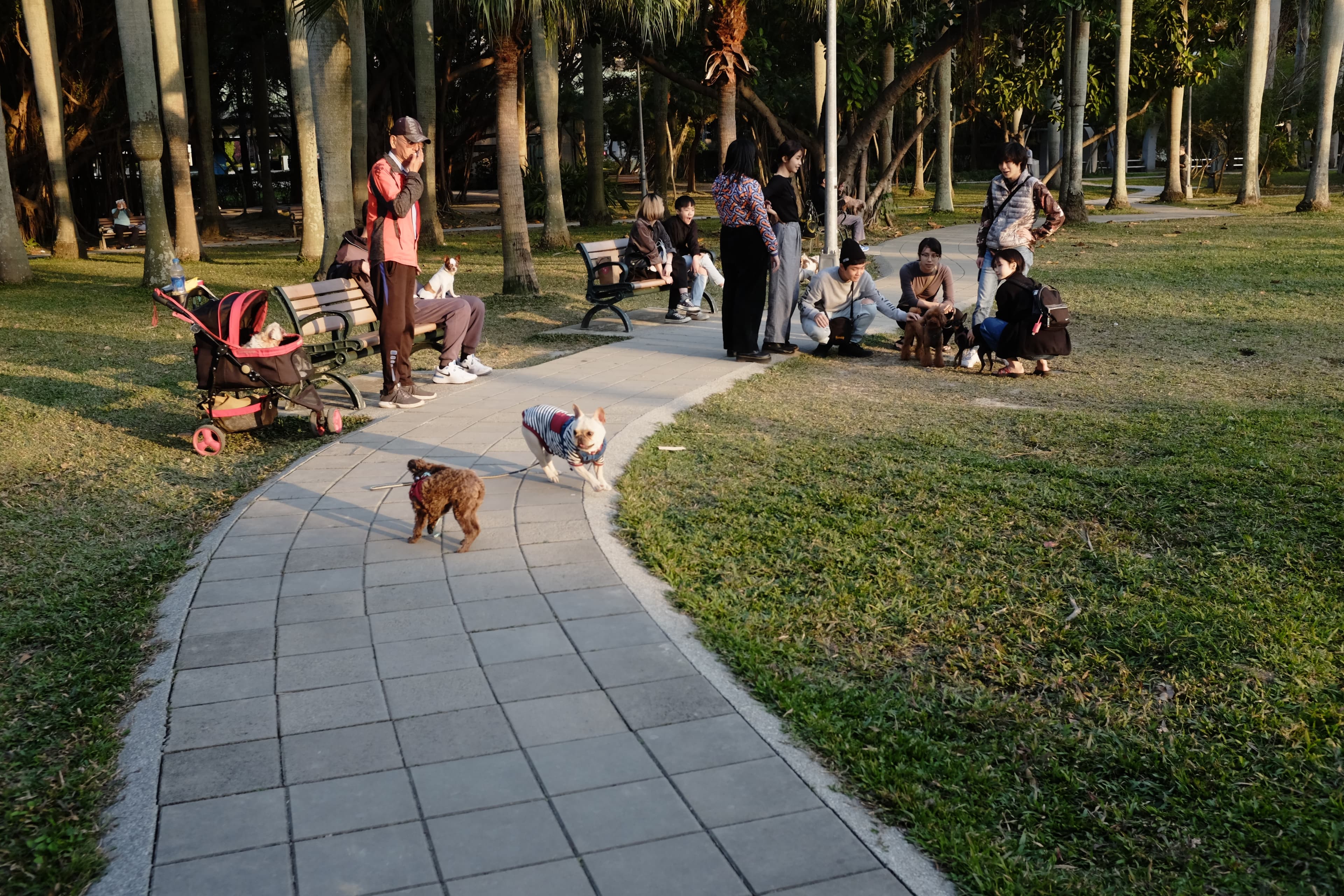
It's not always the case that we think about how to introduce new environments in a positive way for our dog. However, for some dogs, this can be very important to help them focus on us, and keep their confidence and curiosity up. The exercise gives your dog something to think about while they have the opportunity to take in the new surroundings. Whether your dog is happy with anything and everything or is a bit more cautious, this exercise is valuable. They'll have more focus on you, the chance to explore the environment without demands, and you can avoid unwanted behaviours. With this exercise, you can also gauge if your dog is comfortable in the situation. If they don't make contact straight away, it's a sign that your dog might be too excited, insecure, or scared. Always watch your dog to know how best to help them.
It's very important that you don't nag your dog to come back to you. Give them time to take in the environment between each throw, if they need it. Usually, dogs find the exercise so much fun that they just want to be with you, but if they choose to pause, you can observe them and see if they reconnect or if the environment has become too demanding.
Build your cautious dog's confidence
As described above, this is an excellent exercise for the cautious dog. Many environments can feel overwhelming and difficult for dogs who are shy and insecure, so focusing on something else is a great way for them to be in the situation.
Remember: If your dog isn't taking treats, the environment is simply too challenging for them. Move further away and see if you can pick up the exercise again, or choose to train another day. It's not beneficial to push a cautious dog into situations they're not comfortable with. It can damage their confidence and your relationship.