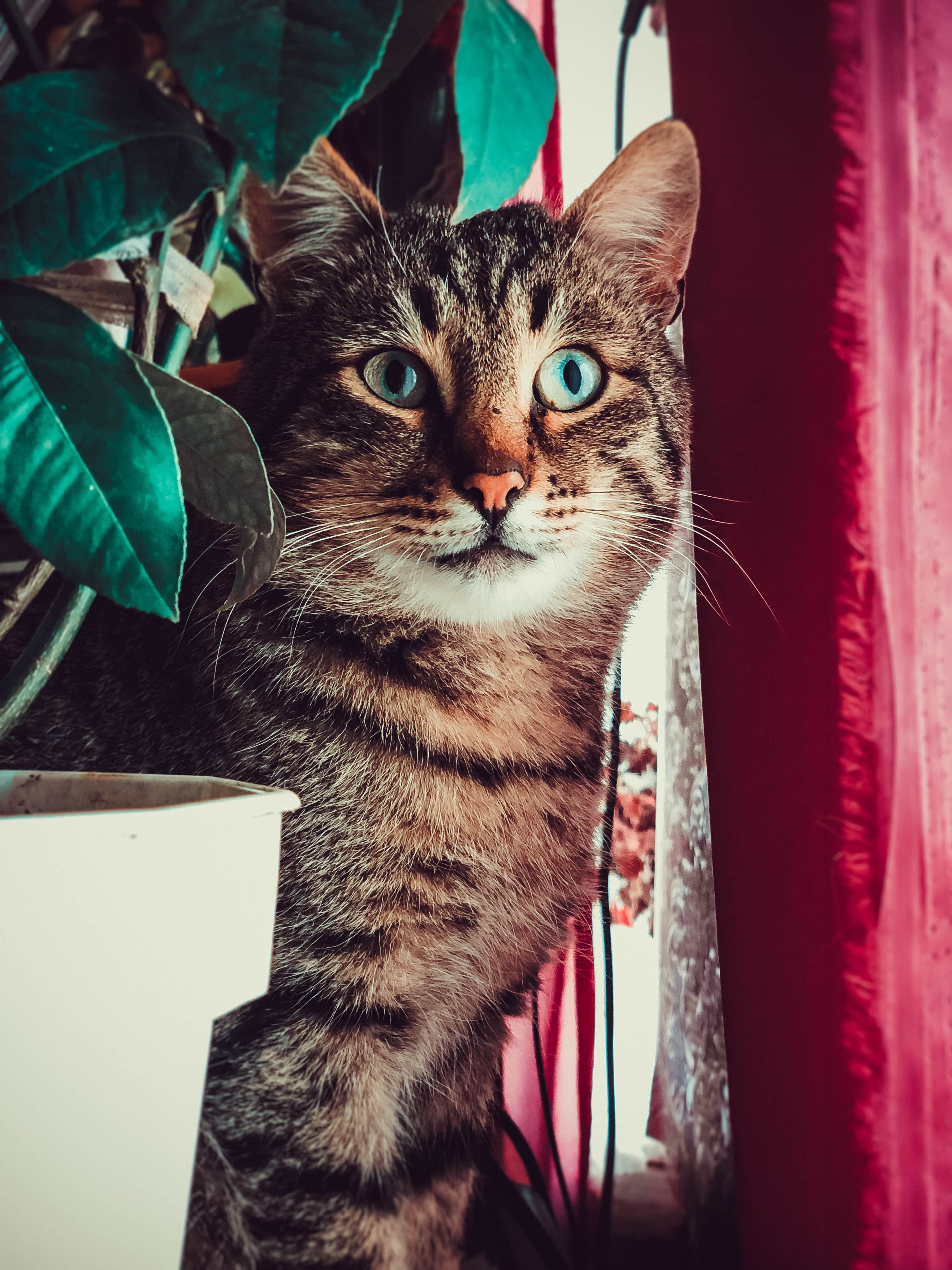

Cat flu
Did you know that cats, just like us, can catch a cold? As it may sound, it's actually true. However, it's not common to say "my cat has caught a cold", but instead it's usually referred to as cat flu. Cat flu is an umbrella term for several different viruses and bacteria that can cause upper respiratory symptoms. This means that the cat has an upper respiratory infection which can affect the nose, sinuses, larynx, trachea and even the eyes. If you want to learn more about cat flu, what it is, its symptoms and how to treat it, keep reading!
How does cat flu occur?
Cat flu, colloquially referred to as the common cold in cats, can be caused by a number of different infectious agents. These agents are often categorised into a group called the cat flu complex, as it can be difficult to pinpoint which one is causing the sniffles at any given time. Depending on the cause, the symptoms may also look slightly different.
It can also be decisive how your cat has been infected. The infection can be transmitted if a cat has had direct contact with an infected cat, via droplet infection (e.g. sneezes and body fluids) and if a cat is exposed to secretions from an infected cat via various surfaces, people or objects.
What is cat flu?
Feline upper respiratory infection (URI) causes the cat to exhibit various cold-like symptoms. So what are the symptoms of cat flu? Well, just as we humans can get a runny, stuffy nose, mucus in the throat, problems with the eyes or pain in the sinuses, cat flu can lead to problems with the nose, sinuses and eyes. The most common symptoms of cat flu are:
Runny nose
Sneezing, snorting and/or coughing
Sticky eye discharge and swollen conjunctiva
In addition to these common and fairly obvious symptoms, in some cases your cat may also be found to have cat flu if it exhibits any of the following symptoms:
Reduced appetite
Fever
Blisters in the mouth
General deterioration in mood/condition
If things get very bad, an upper respiratory infection can develop into a lower respiratory infection, i.e. spread to the lungs and cause pneumonia.
How to treat cat flu?
You can vaccinate your cat against feline URI, which will give it some protection against some of the micro-organisms that cause problems. However, your cat can still develop similar symptoms from viruses and bacteria not included in the vaccine. If a vaccinated cat does get cat flu, their symptoms are usually milder than if the cat had not been vaccinated. Treating cat flu need not be difficult, although the symptoms can be quite distressing for the cat. Consulting a vet may be advisable. If it's only a mild viral infection and not a more serious illness, there are a few things you can do at home to help your cat recover more quickly.
Adequate fluids and nutrition are essential for recovery
Warm your cat's food or buy food that has a stronger smell to whet your cat's appetite.
Make sure to keep eyes and nose clean as much as possible.
Your cat should not be playing or running around outside; let them stay at home to rest and recover at their own pace.
However, if it appears that your cat is affected by flu-like symptoms, it's time to contact your vet. For example, if the cat shows symptoms of poor health/general condition, if the cat has a fever, poor appetite or difficulty breathing due to coughing or similar. This may require different care than what you can provide at home.