Health problems linked to feline obesity
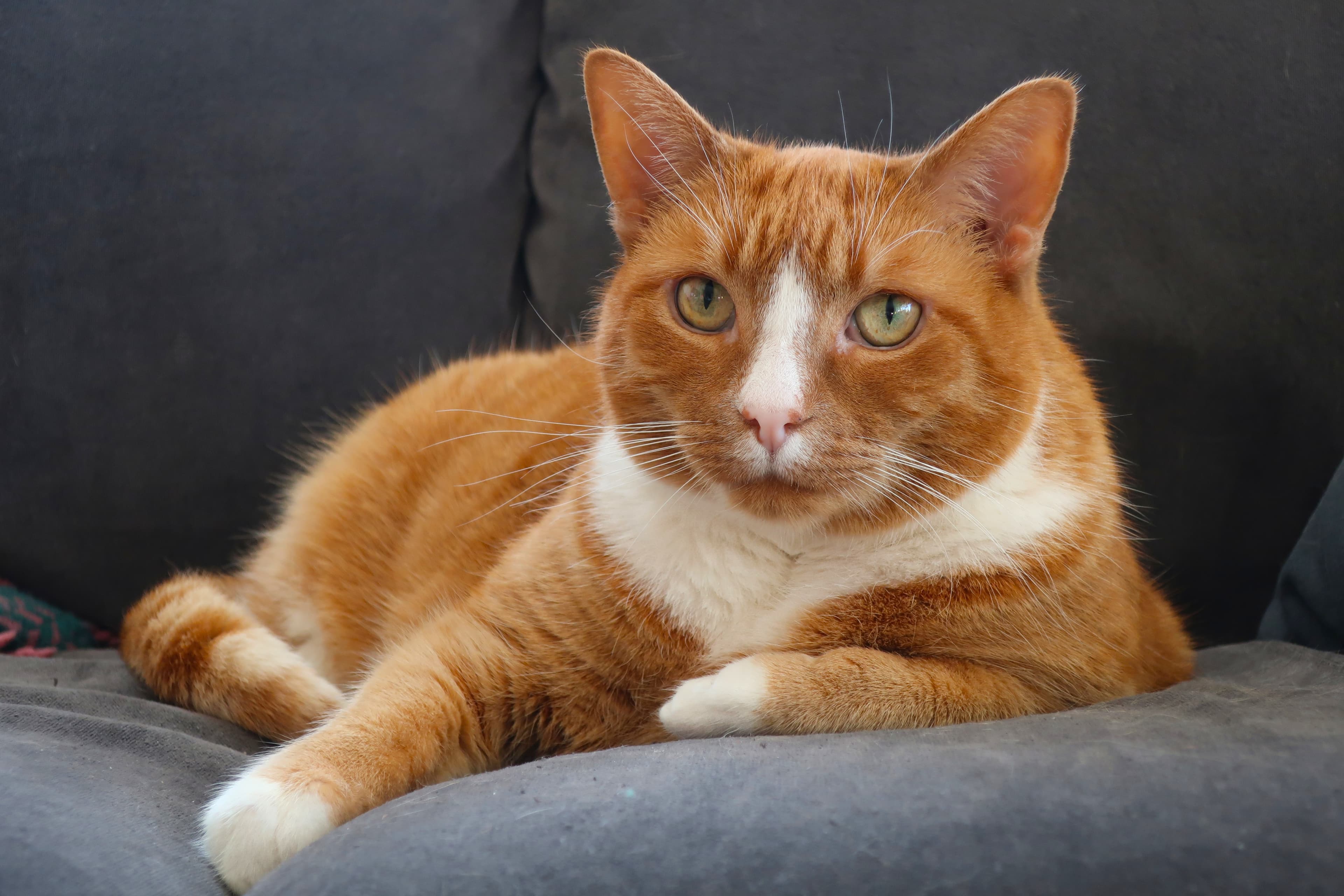
It’s easy to give your four-legged friend a little something extra now and then, and of course, your cat deserves a treat sometimes too! But be mindful not to overdo it, as this can lead to your cat becoming overweight. An overweight cat has a reduced quality of life and an increased risk of developing health problems.
Obesity is a common issue among cats, and just like in humans, it can raise the risk of several common diseases. An overweight cat is more likely to suffer from conditions such as diabetes, pancreatitis, bladder inflammation, and joint problems that can lead to lameness. Being overweight can also increase risks associated with anaesthesia and with illnesses that reduce appetite, as overweight cats that stop eating risk liver damage.
Keeping your cat at a healthy weight – not too thin and not overweight – throughout its life increases the chances of them living longer.
So, how do you keep your cat in good shape? Well, it’s not always easy! Try sticking to the portion sizes shown on food packaging, be mindful with extra treats, and make sure your cat is active and moving around. Putting a cat on a diet is tricky, so we recommend a proactive approach: pay attention to portion sizes and ensure your cat gets plenty of exercise.
If your cat is overweight, we suggest contacting your vet for advice on how to help them get back into shape. Your vet will help you determine how much weight your cat needs to lose and over what timeframe.