Gentle food for cats
It's common for cats to experience diarrhoea and vomiting. These issues can usually be managed at home with the right diet. Diarrhoea and vomiting often start suddenly. As long as your cat seems otherwise well, you can follow our advice on the best way to offer a gentle diet.
Gentle food for cats
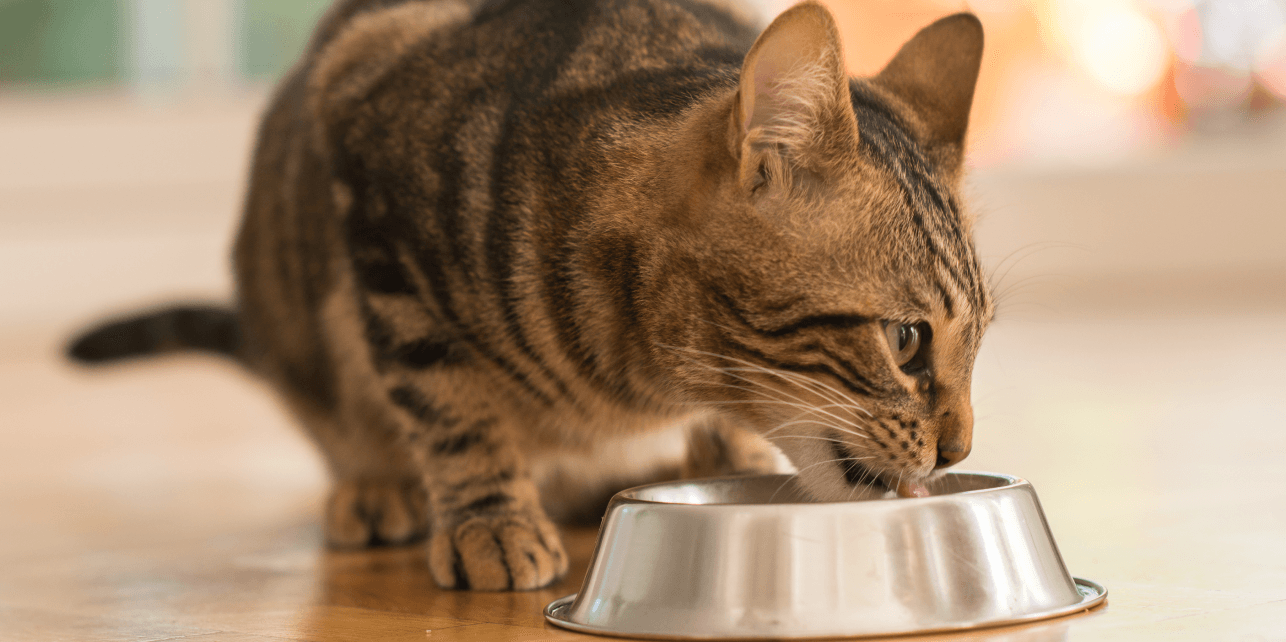
Gentle food is easy to digest and kind to your cat's digestive system. You can either prepare this food at home or buy a specific type of veterinary diet from your vet.
The ready-made gentle diets available from your vet are either wet or dry foods with highly digestible ingredients. The food provides all the cat's nutritional needs, and a combination of fibre and prebiotics helps support your cat's healthy gut flora and gut lining.
It's simple to make your own gentle food at home. You'll need a high-quality, low-fat protein source, such as chicken fillet or white fish. Cook your protein source, then chill it before serving small portions. It's important your cat stays hydrated, so mixing the cooking liquid with the protein when serving is a good way to ensure this.
When should I give my cat gentle food?
If your cat has diarrhoea but is otherwise well and behaving normally, it might be enough to give them gentle food for a few days. It's not always easy to judge your cat's general condition, and sometimes it's helpful to ask a vet for advice. As a Lassie insurance customer, you can contact a digital vet for an initial consultation if you need veterinary guidance.
How to give your cat gentle food
Start by serving small portions, around 6-8 times, spread evenly throughout the day. The amount you give will depend slightly on your cat's size, ranging from 0.5 tsp up to 0.5 dl. If you're unsure about the right amount, please ask a vet for advice.
Continue offering gentle food until your cat's stomach has been settled for at least a few days. Then, gradually over the course of a week, you can switch back to your cat's regular food. Don't switch too quickly, as this often risks causing further upset.
When should I seek veterinary care?
If your cat has had prolonged or recurring diarrhoea and/or vomiting, it's a good idea to see a vet for an assessment. Even if your cat seems fine otherwise, long-term or recurring symptoms could be due to underlying issues that a vet should investigate.
Seek veterinary attention if you notice any of these symptoms:
Is very tired
Doesn't want to eat
Doesn't want to drink
Cannot keep water down
Has blood in their stool or vomit
Has swallowed something that could cause an intestinal blockage
Stomach pain
Swollen stomach
Symptoms persist despite 3-4 days of gentle diet treatment
Is your kitten unwell? Seek veterinary care sooner, as both kittens and older cats are more vulnerable to these symptoms.