Border Collie: Everything you need to know about the breed
Your Border Collie guide:
Weight: Male 14-20 kg, Female 12-19 kg
Height at the withers: Male 53 cm, female 51 cm
Energy level: Energetic
Life expectancy: 10-12 years
Drooling tendency: Medium
Snoring tendency: Slight
Barking tendency: Medium
Digging tendency: Slight
Social needs:High
Bred for: Herding
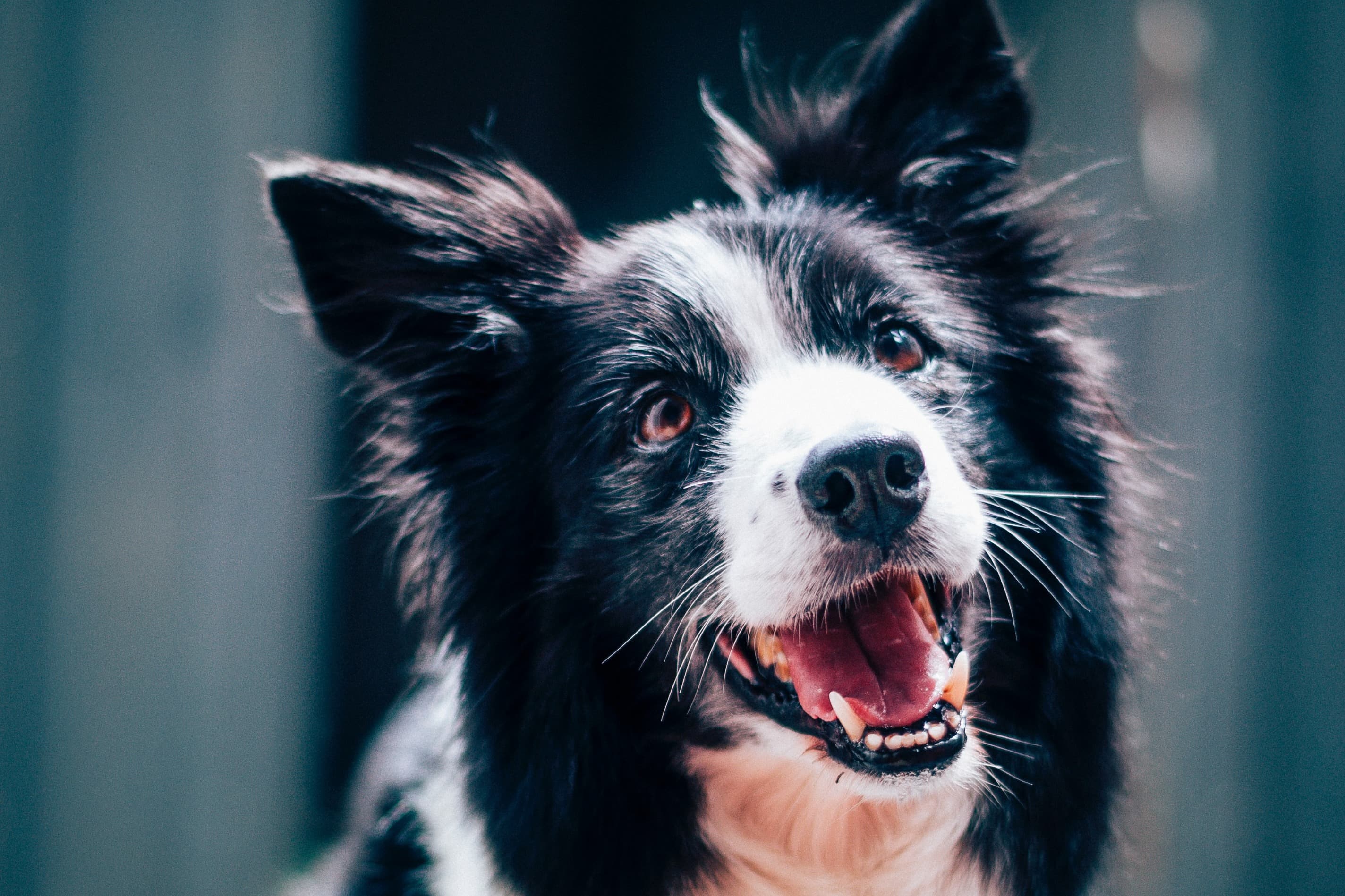
Colours:: Black and white or tri-coloured
Health problemsHealth issues
Personality
Border Collies are renowned for their intelligence and eagerness to work, possessing a unique personality that makes them a beloved breed. These dogs are typically devoted and loyal to their owners, forming strong bonds. They're also known for being responsive and keen to please, making them excellent companions and training partners. Border Collies are often highly alert, with a natural ability to be aware of their surroundings. Their focus and ability to concentrate make them superb at training exercises and obedience trials. However, providing a balanced and stimulating environment is crucial to prevent boredom or over-stimulation.
Training
Border Collies need extensive physical and mental exercise to thrive. As herding dogs, they may naturally try to herd anything that moves, including children, if they don't receive enough stimulation and activity. To prevent unwanted behaviours and ensure your dog is happy, regular activation is key. An adult Border Collie requires at least two hours of exercise daily, alongside mental challenges. Activities like agility and herding tap into their innate instincts. Positive reinforcement and consistency are vital for successful training. With adequate exercise and engagement, you'll have a happy and well-adjusted companion.
Grooming
Grooming
Claw trimming
Naturally, your dog's claws need attention too. They should be trimmed as needed, but we recommend doing it little and often rather than a lot infrequently – once a month might be sufficient. It’s important to get your dog used to having its claws clipped from an early age. In our claw clipping, we share our best tips on how to trim your dog's claws!
Health issues
Border Collies generally experience few health problems. Like many breeds, they can be prone to hereditary eye conditions and hip dysplasia. It’s therefore important to have both eyes and hips assessed before breeding.
Lameness
Lameness issues are slightly more common in Border Collies. You can learn more about the different types of lameness and what to do if your dog is lame in this course.
Skin problems
If you own a Border Collie, be aware that they are at risk of skin issues, such as allergies. Just like people, dogs can be allergic to things in their environment or their food. Find out more about different types of allergies and their symptoms here.
Socialisation
It’s important to socialise your dog. Start practising environmental training from an early age, allowing your dog to experience the sounds and places they’ll encounter as an adult. Learn more about socialisation and environmental training here.
Stomach problems
At some point in their life, your Border Collie might eat something they shouldn't, leading to vomiting and/or diarrhoea. While vomiting and diarrhoea are common reasons for vet visits, in many cases, you can treat these issues at home. Learn more about vomiting and diarrhoea in dogs here , and discover how to treat these issues at home here.