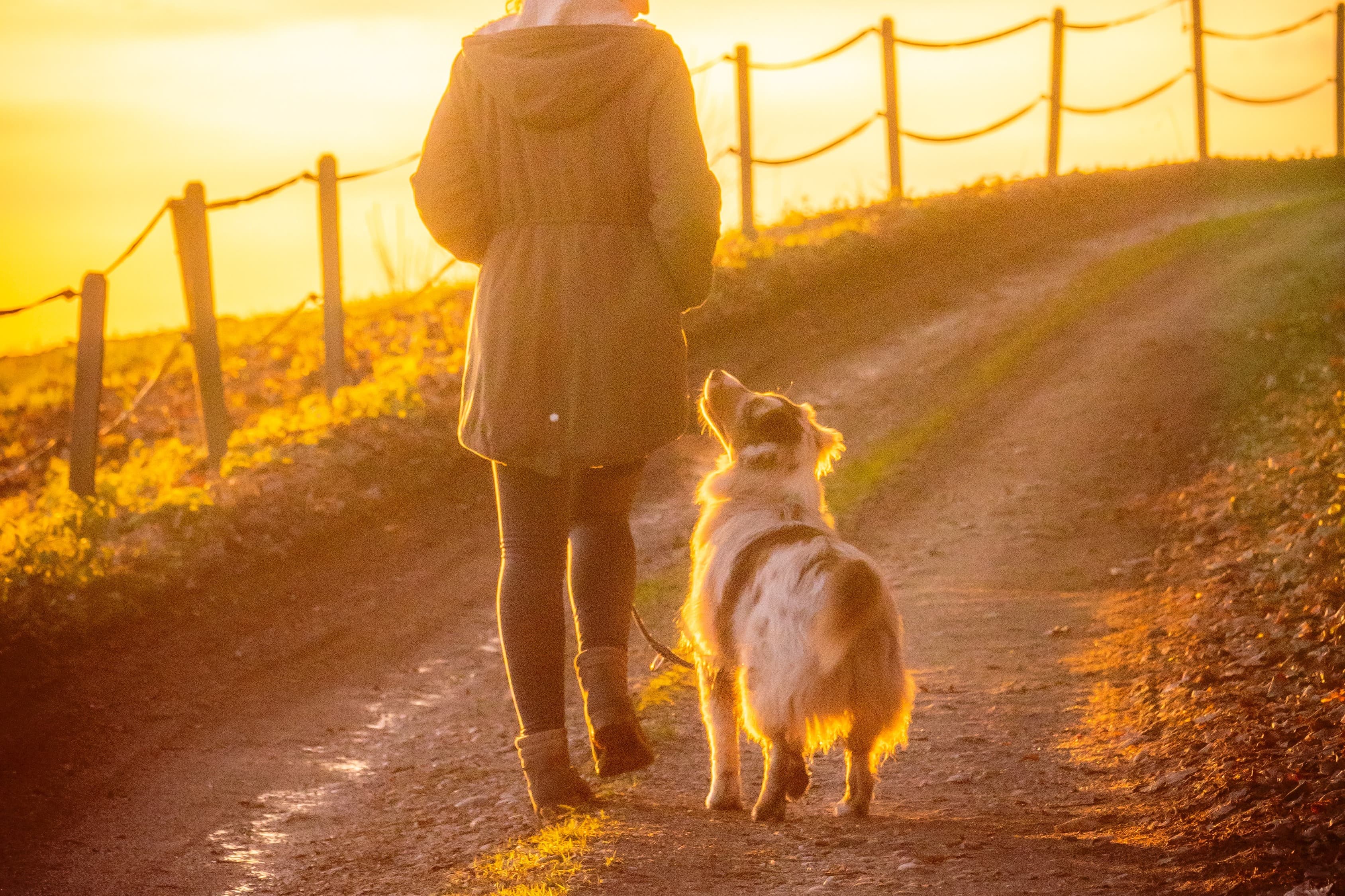
Encouraging your dog to make contact
Most puppy or basic training courses cover eye contact exercises. We teach dogs that looking at us is rewarding. But this is often only practised at specific times, and we can easily forget to maintain this behaviour throughout our dog’s life. So, let's delve deeper into what eye contact really means and how we can maintain strong, consistent behaviour in all situations.
What is spontaneous contact?
Spontaneous contact means your dog chooses to engage with you without any verbal cue or signal from you. You can encourage this by creating scenarios where you practice eye contact, either on walks or indoors. Wait for your dog to seek you out, then reward them with a treat. Your dog will quickly learn that making eye contact pays off, and you'll see the behaviour become more frequent.
When can I use eye contact?
You can reward eye contact as often as you like – the more you reward it, the stronger the behaviour becomes. Think of it like building a history of rewards; the more your dog is rewarded, the stronger the association between eye contact and treats will be.
Initially, it might be helpful to practice eye contact in a controlled space, like on a lead outdoors in different environments or indoors. You can then gradually increase the challenge by using a long lead on walks or allowing your dog to be off-lead. Reward your dog for looking in your direction, then gradually increase your criteria so they need to come all the way to you for their treat.
The best way to keep your dog close
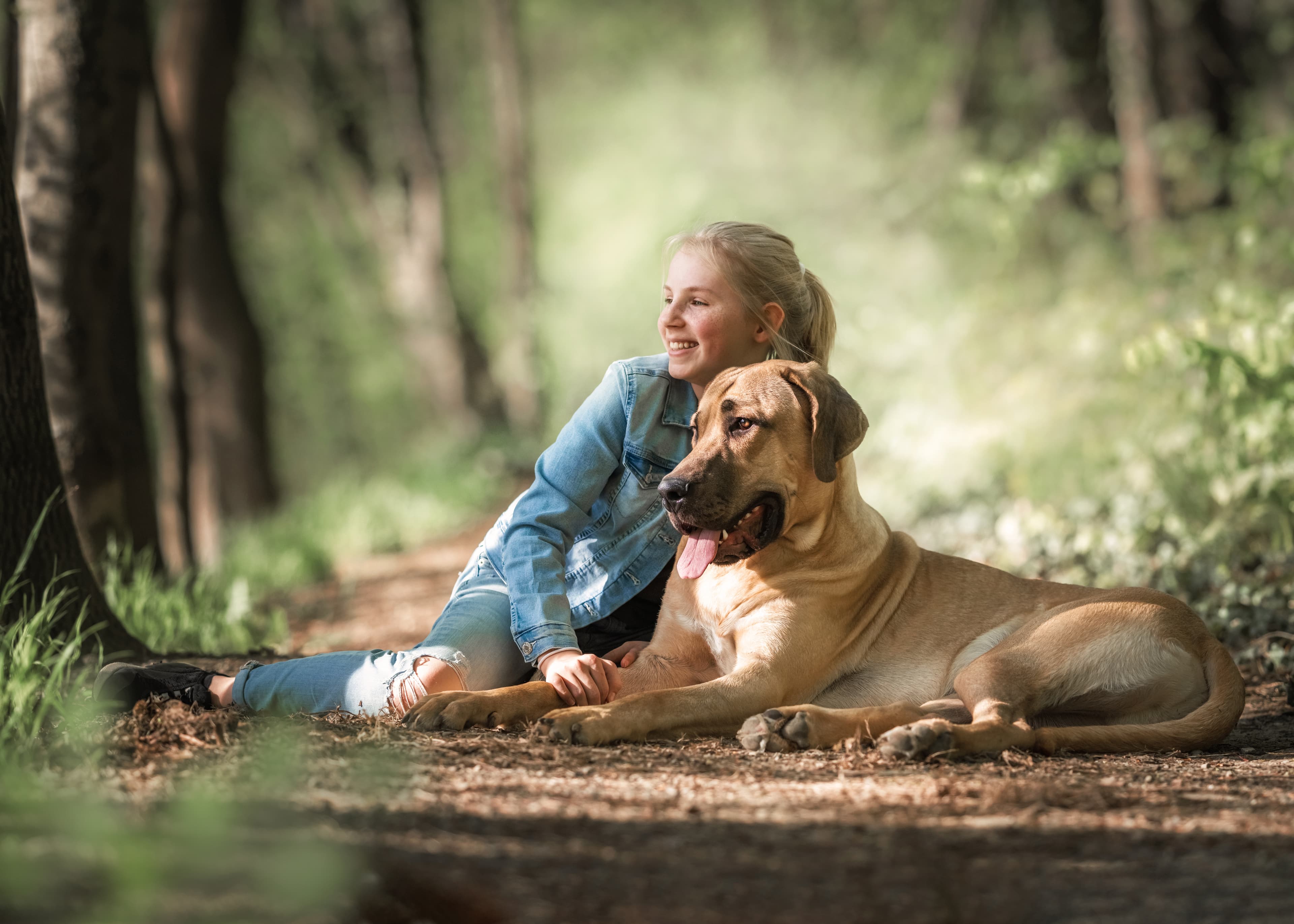
When your dog is off-lead in the woods, this is the perfect way to encourage them to check in with you regularly. Off-lead walks in the woods give your dog the freedom to simply ‘be a dog’, which significantly boosts their well-being. Implementing this on your walks will naturally lead to a dog that seeks you out more often. Remember to always reward your dog when they make contact – this is important throughout their life. Make it a habit to always carry small treats in your pocket when you go for a walk.
Tips from the Lassie dog trainer
To boost your recall and differentiate it from spontaneous eye contact, try using two different types of treats with varying levels of value to your dog. I use my dogs' regular food for spontaneous contact on our walks, and something extra tasty like sausage or meatballs for when I need to call them in. This increases the perceived value of recall, ensuring your dog will both make eye contact during walks and come directly when called.