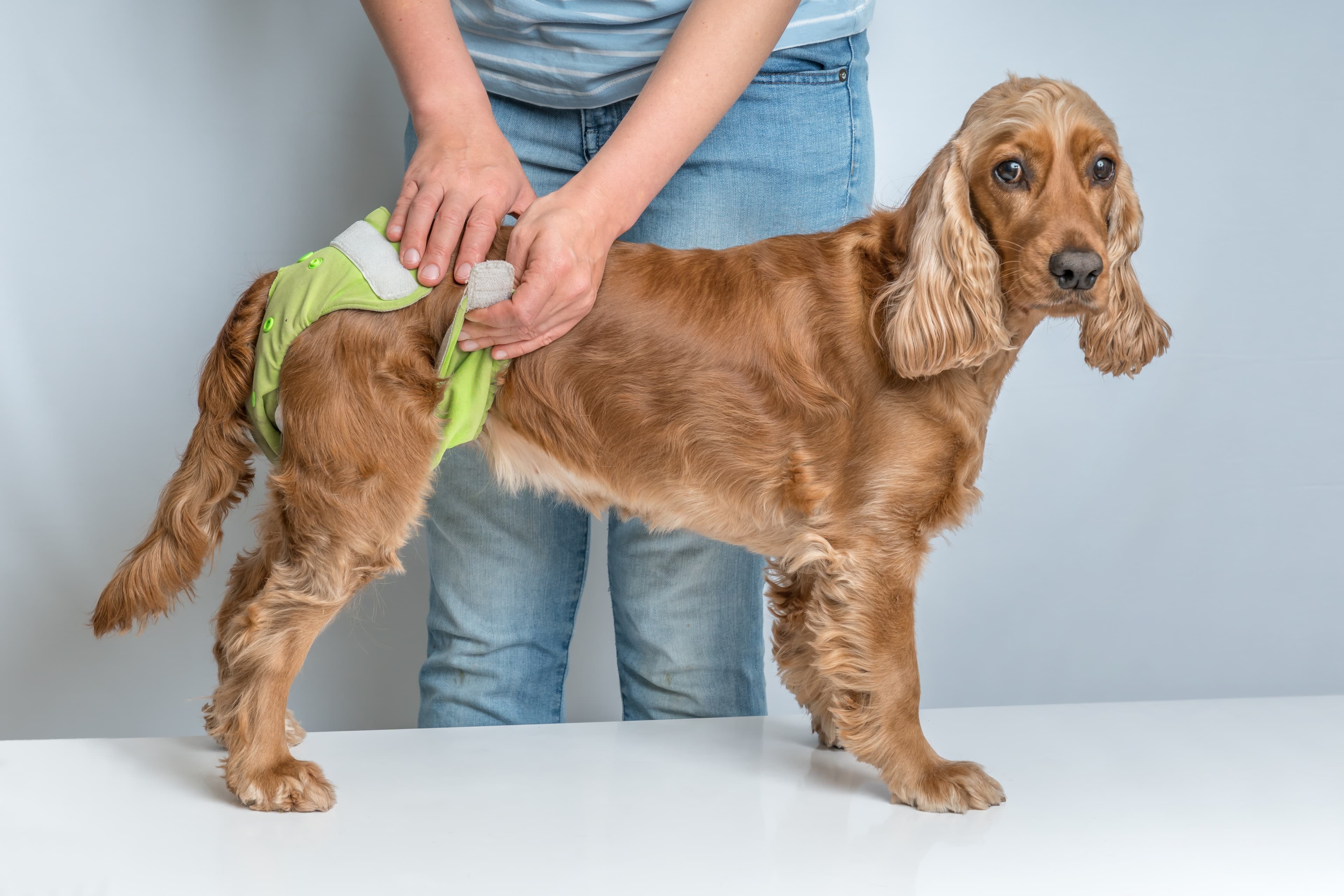

What to do if your dog has giardia
Giardia is common and highly contagious. Knowing how to prevent it, recognise the symptoms, get a diagnosis, and treat your dog if they contract it is important.
What is Giardia?
Giardia is a common, contagious intestinal parasite that interferes with normal gut function. It lives in the gut but can be passed in faeces as cysts, which can survive for a long time in the environment or on fur. Your dog can get infected by ingesting the cysts – for example, by sniffing infected faeces or licking the fur of an infected dog.
Dogs vary in their resistance to giardia. Even if only a few puppies in a litter show symptoms, all infected puppies can be carriers. Stress can lower the immune system, potentially triggering a giardia infection. This can happen due to sudden changes in diet, underlying gastrointestinal issues, or moving to a new home. Puppies and young dogs are particularly susceptible.
Symptoms of Giardia
A dog can carry giardia without showing any symptoms. However, the most common signs are diarrhoea, weight loss, and sometimes vomiting and stomach pain. Puppies and young dogs are most likely to show symptoms, and severe cases in very young puppies can lead to dehydration and malnutrition.
If you suspect your dog has giardia, a faeces sample is needed for diagnosis. However, remember that giardia can flare up due to stress, dietary changes, or other gut upsets, and might not be the primary cause. It can still be detected in a faeces sample.
If you suspect your dog has giardia, see your vet for the correct treatment. Unfortunately, giardia can be a difficult parasite to clear. As well as treating your dog, you'll need to clean your home and separate infected dogs from healthy ones. Giardia is treated with an antiparasitic medication prescribed by a vet.
Here’s what to do if your dog has giardia:
If you suspect that your dog has Giardia, he should be examined by a vet to get the right treatment. Unfortunately, Giardia is an intestinal parasite that can be difficult to get rid of. Therefore, in addition to treating the dog, you should also sanitize the home. It is also important to separate sick dogs from healthy ones. Giardia is treated with an antiparasitic drug that must be prescribed by a veterinarian.
This is what you should do if your dog is affected by Giardia:
Follow your vet's treatment recommendations and prescriptions.
Bathe your dog.
Keep your dog separate from healthy dogs.
Clean your home thoroughly, scrubbing surfaces with soap and water to remove any faecal matter.
Wash textiles such as bedding and blankets at 60°C.
If you have textiles that can't be washed, you can freeze them at -20°C for a week.
Wash your dog's food and water bowls in the dishwasher.
Give your dog probiotics to support their gut health.