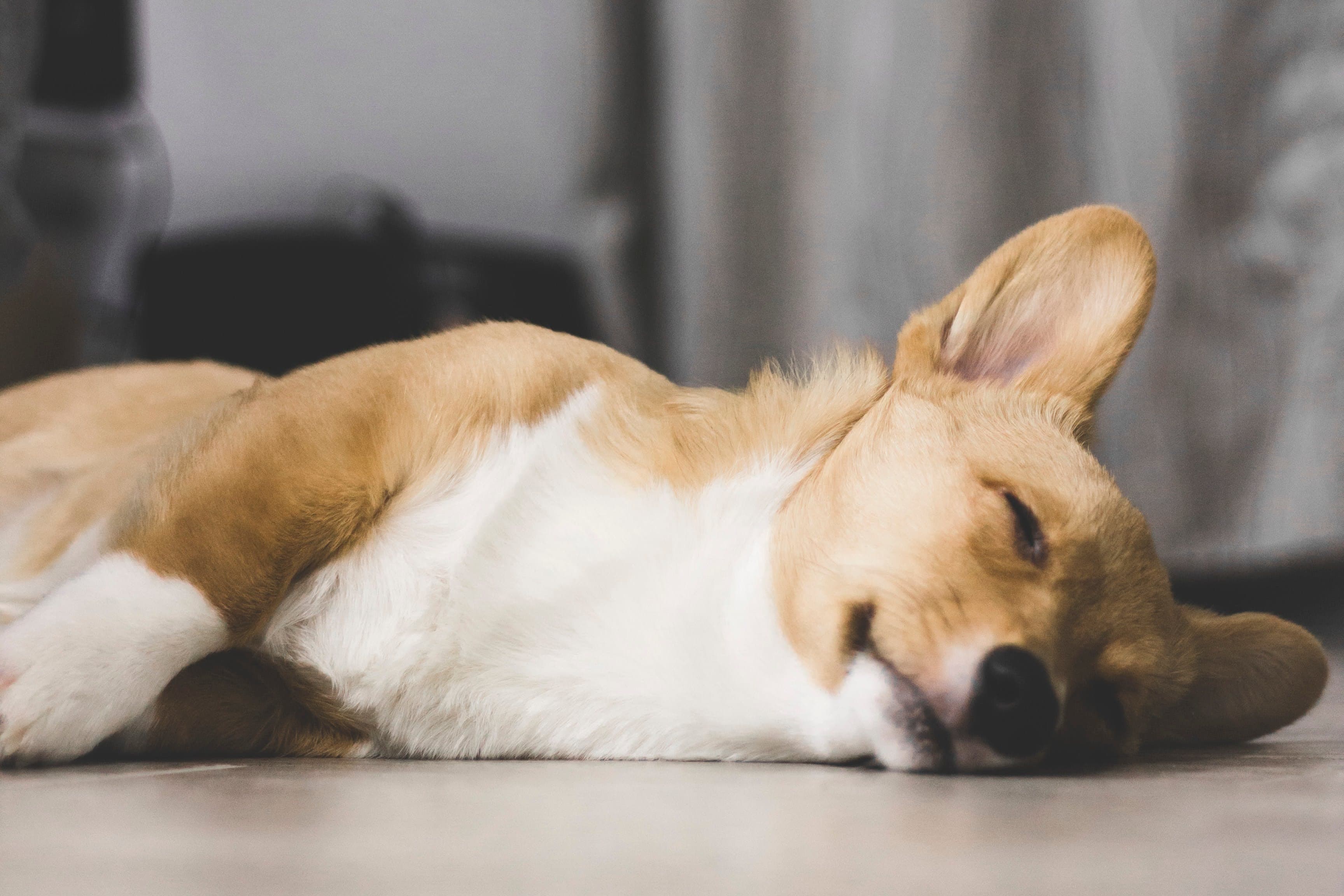
Depression in dogs
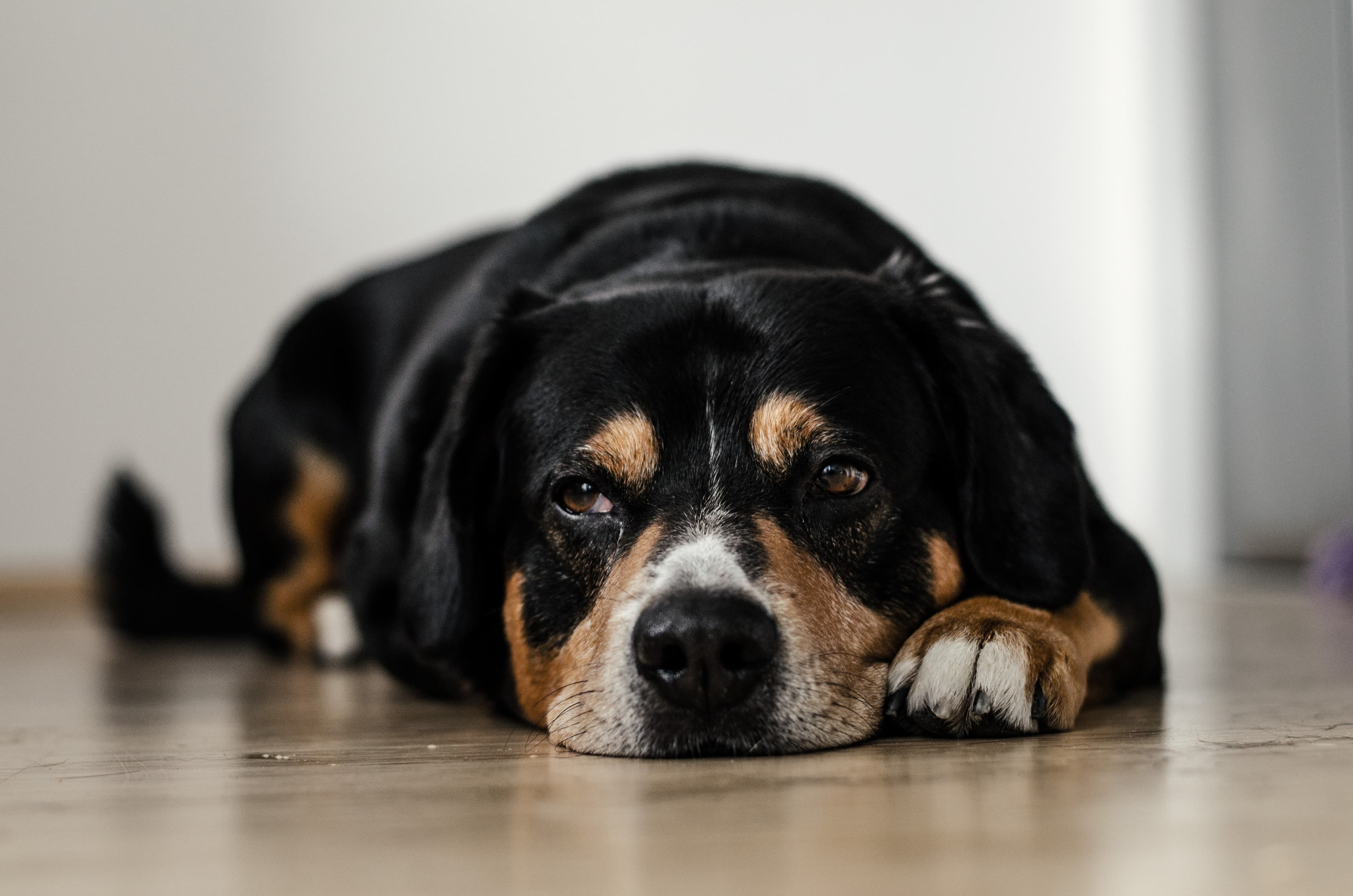
Dogs are known for being loyal and cheerful companions, but they can also experience emotional challenges. Just like people, dogs can go through periods of sadness and depression.
Signs of depression in dogs
Loss of appetite: A noticeable drop in appetite could signal a low mood. If your dog suddenly loses interest in food, keep a close eye on them.
Withdrawing from others: As naturally social animals, dogs who start avoiding contact with other dogs or people might be feeling down.
Changes in sleep patterns: Sleeping a lot more, or less, than usual can be a sign of emotional distress.
Less interest in play and activity: If your usually energetic dog isn't keen on playing or joining in activities anymore, it might mean they're in a depressive phase.
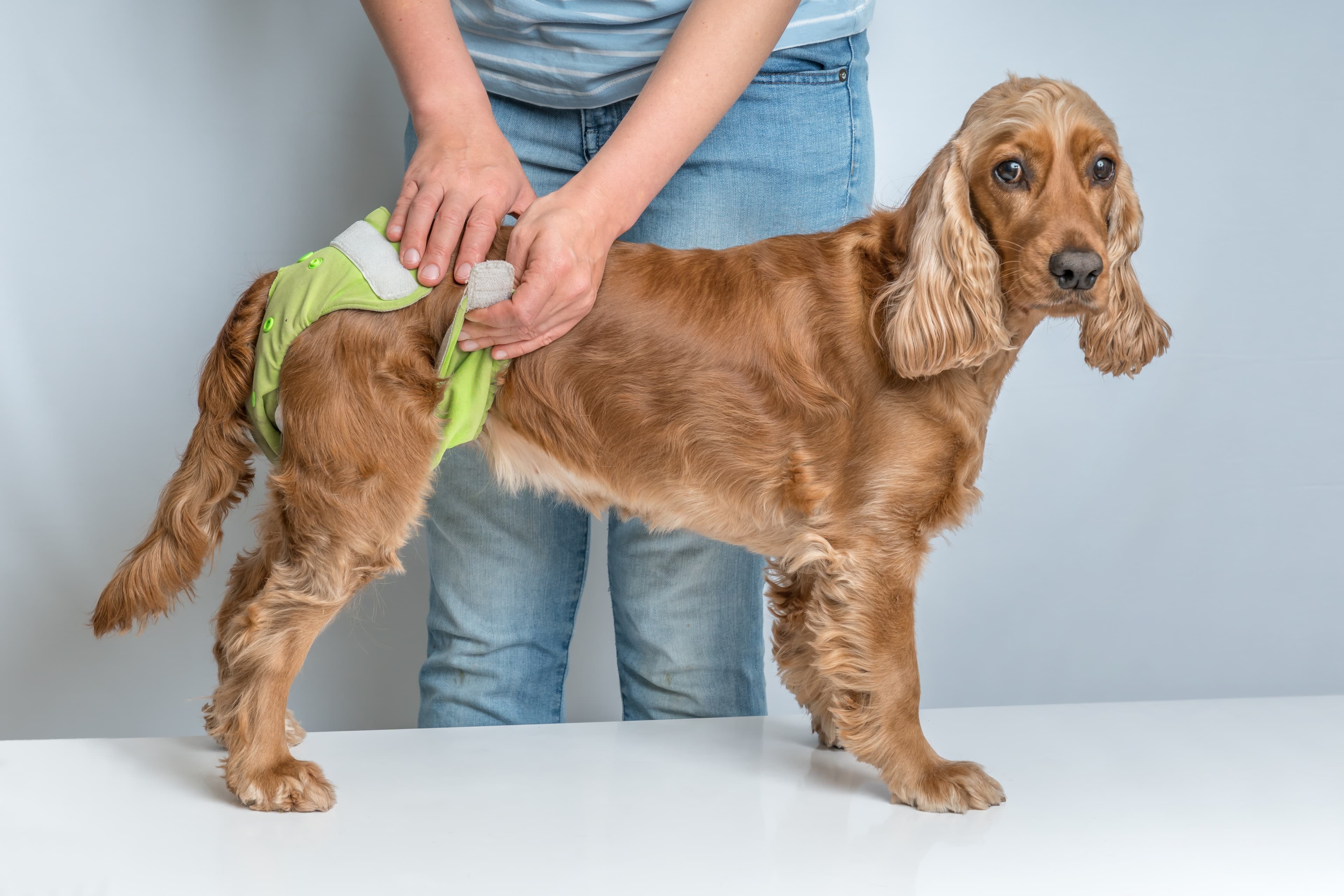
Neglecting their grooming: Dogs usually take pride in keeping themselves looking good. If yours suddenly stops caring for their coat, it could be a sign of emotional strain.
Altered behaviour: Acting more aggressive, irritable, or just indifferent than usual can also point to depressive feelings.
Why might a dog become depressed?
Changes in their environment: Moving house, losing a key person or pet, or other significant changes at home can really affect a dog emotionally.
Grief: Losing a companion, whether human or another pet, can trigger deep sadness in dogs.
Not enough social interaction: Dogs need company and attention. Being lonely for long periods can lead to depression.
Illness or pain: Underlying health issues, ongoing pain, or other illnesses can impact a dog's emotional well-being.
What to do if your furry friend seems depressed
Visit the vet: It's always best to start with a trip to the vet to rule out any medical causes for their behaviour.
Enrich their environment: Introduce new toys, games, or walking routes to make life more exciting for your dog.
More quality time: Spend more time playing, cuddling, and engaging in positive interactions with your dog.
Consider behaviour therapy: Sometimes, getting help from a professional dog behaviourist can make a real difference.
Discuss medication: For severe cases, your vet might suggest medication as part of the treatment plan.
Your pet's emotional health is just as important as their physical health. If you notice signs of depression in your dog, acting quickly and seeking professional advice is key.