Kitten Feeding 101: Wet vs Dry, Timing, and Environment
The way you feed your kitten matters just as much as what you feed them. Timing, environment, and the right food type all play a role in healthy development.
Feeding Methods: Wet Vs Dry Kitten Food
Wet Kitten Food
Benefits:
Can be warmed to release appetising aromas
Often more palatable for young kittens
Higher moisture content aids hydration
Easier for kittens with dental issues
More attractive presentation
Serving guidelines:
Serve at room temperature for best appeal
Remove from fridge 1 hour before feeding
Can microwave briefly to warm (never hot)
Use within 24 hours of opening
Cover and refrigerate opened portions
Dry Kitten Food
Benefits:
Convenient storage with longer shelf life
Helps keep kitten teeth clean through chewing
Allows portion control and grazing options
Can be used in food puzzle toys for enrichment
Generally more economical
Kitten preferences:
Most kittens enjoy crunching kibble
If your kitten prefers moistened food, soak kibble in water for a few minutes
Can mix in dental treats if moistening (crunching helps remove plaque)
Always account for treat calories in daily totals
How To Change From Wet To Dry Kitten Food
Kittens have sensitive digestive systems. Sudden food changes cause upset. Use a 7–10 day transition:
Days 1–2: Mix 75% old food with 25% new food
Days 3–4: Mix 50% old food with 50% new food
Days 5–6: Mix 25% old food with 75% new food
Days 7–10: Transition to 100% new food
If digestive upset occurs (diarrhoea, vomiting), extend the transition to 10–14 days.
Wet To Dry Transitions
Kitten may initially take longer to eat
More active chewing required as they adjust
Increased water drinking is normal (dry food contains less water)
This adjustment period is temporary
Dry To Wet Transitions
Kitten may drink slightly less (wet food provides water)
Texture adjustment may take time
Can mix in dry kibbles initially for familiarity
Gradual acceptance develops over days
Portion Size Differences
Dry food is more energy-dense than wet food. A smaller-looking portion of dry food equals a larger wet portion nutritionally. Adjust meal sizes accordingly.
Should I Feed My Kitten Before Or After Exercise?
Avoid feeding immediately before or after activity. Allow approximately one hour between feeding and exercise or play.
This timing prevents stomach upset and vomiting, gastric bloat (stomach swelling), gastric torsion (stomach twisting — serious in large breed kittens), and digestive complications.
Create a routine where kittens rest after eating, promoting healthy digestion and preventing medical emergencies.
Where Should I Feed My Kitten?
Create An Ideal Feeding Environment
Choose a quiet location away from household activity
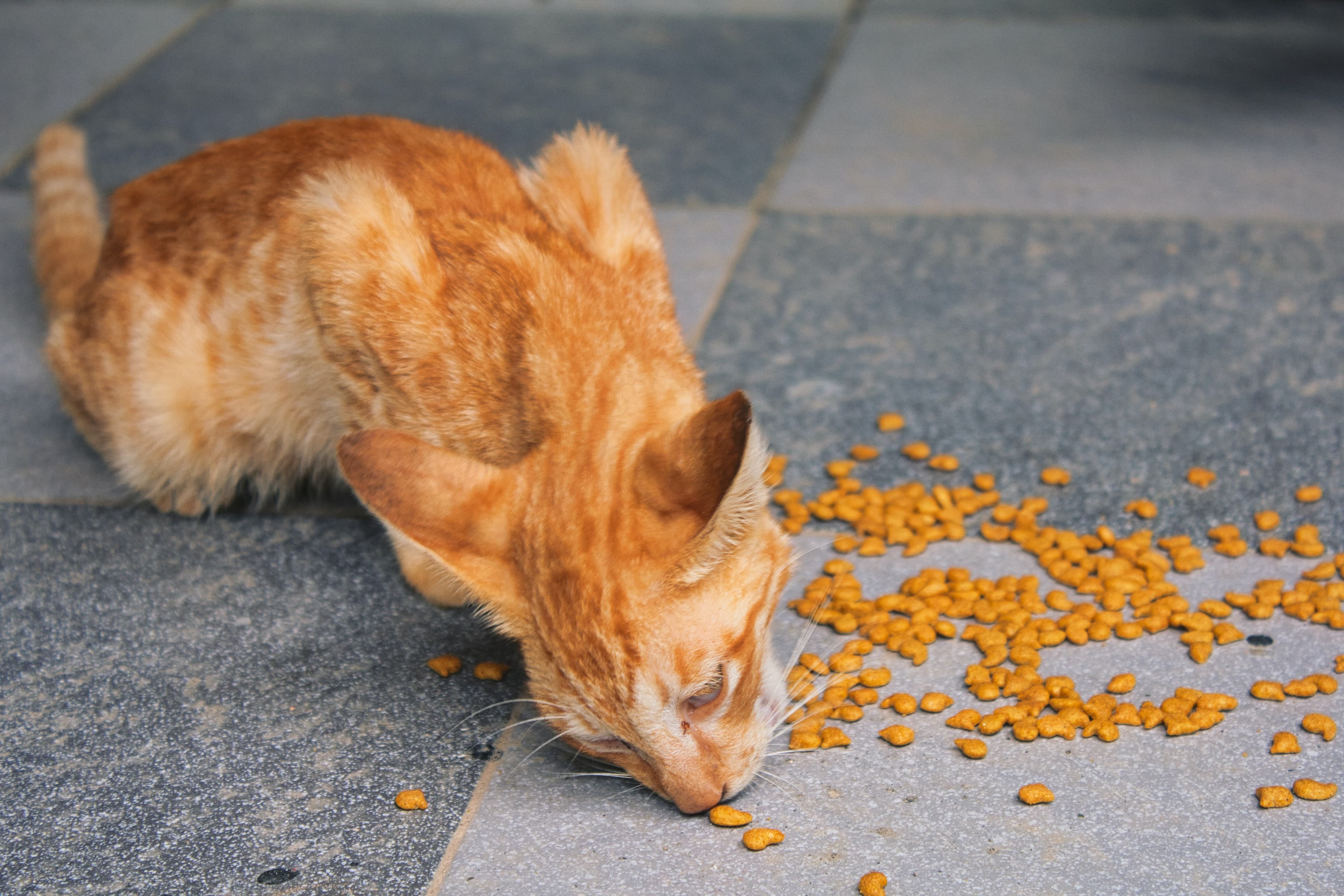
Use an easy-to-clean surface such as tiled floors or feeding mats
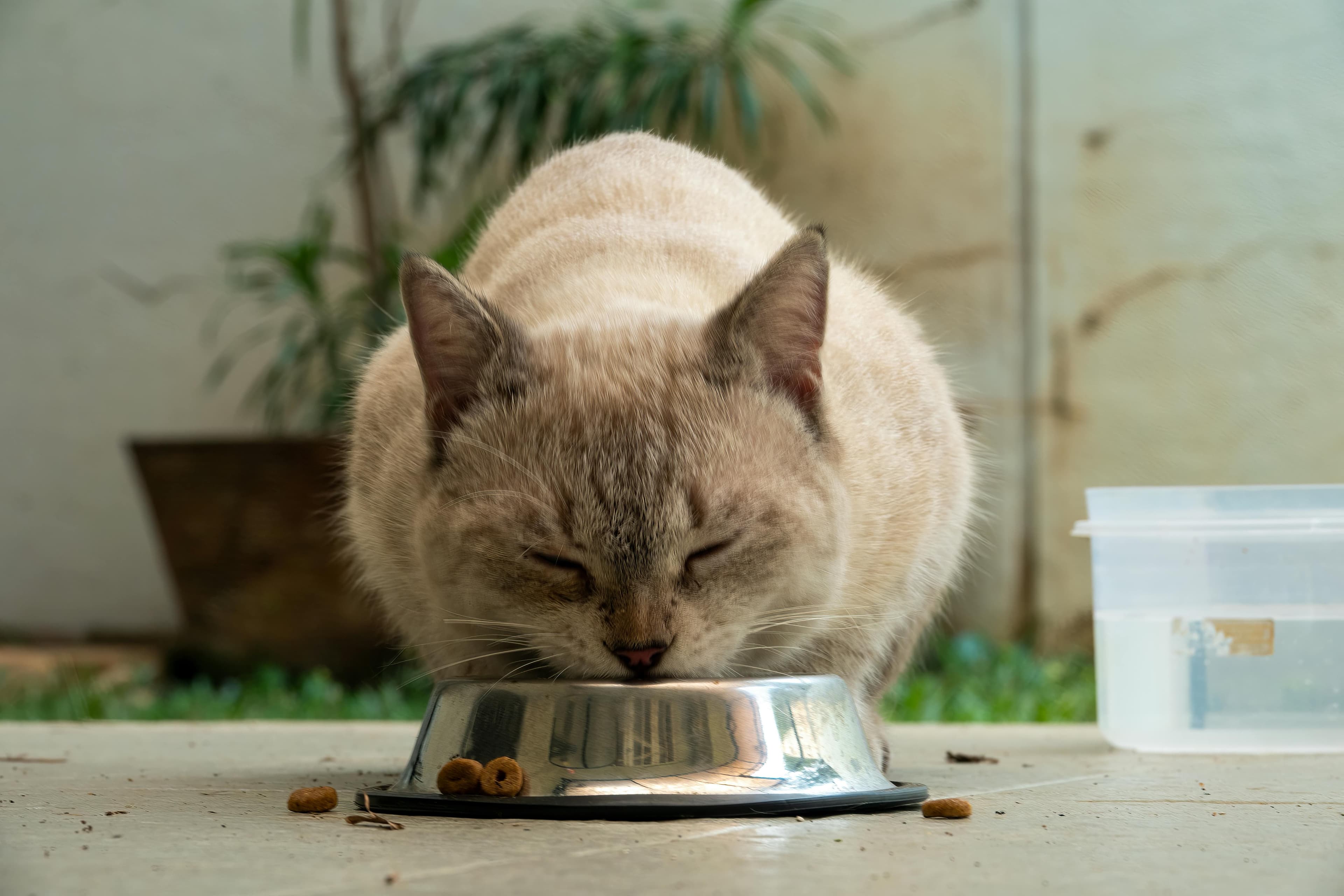
Place food in a clean bowl
Multi-Kitten Households
Provide separate food bowls for each kitten
Space bowls apart to reduce stress
Feed in separate areas when possible
Prevent competition and fighting
Keep food away from litter boxes (cats naturally prefer eating far from toilets)
Child Safety
Keep children away during feeding
Prevent bolting behaviour
Avoid food guarding behaviour development
Enrichment Through Feeding
Use food puzzle toys for mental stimulation
Scatter dry kibble for 'hunting' play
Vary food types to maintain interest
Encourages natural predatory behaviours
Consistency And Routine
Feed at consistent times daily
Maintain the same food initially when possible
Use gradual transitions if food changes are needed (7–10 days)
Predictable feeding supports healthy development