Devon Rex: Your Guide to This Unique Breed
Devon Rex at a glance
Weight: 2.5–5.5 kg
Withers height: 25–30 cm
Energy level: Medium
Life span: 10–15 years
Social need: High
Colours:Found in all imaginable patterns and colours, including white, blue, black, cream, red, brown, lilac, chocolate, and seal grey.
Health problems: Generally healthy but can suffer from stud tail and hypotrichosis.
Personality of a Devon Rex
The Devon Rex is a truly social, lively, and affectionate companion. They often form strong bonds with their owners and thrive on company, whether it's yours or another pet's. These cats have a big appetite for play and activity, needing plenty of mental stimulation. They also have a peculiar love for warmth, making them ideally suited as indoor cats where they're safe from harsh sunlight.
Appearance and coat care of a Devon Rex
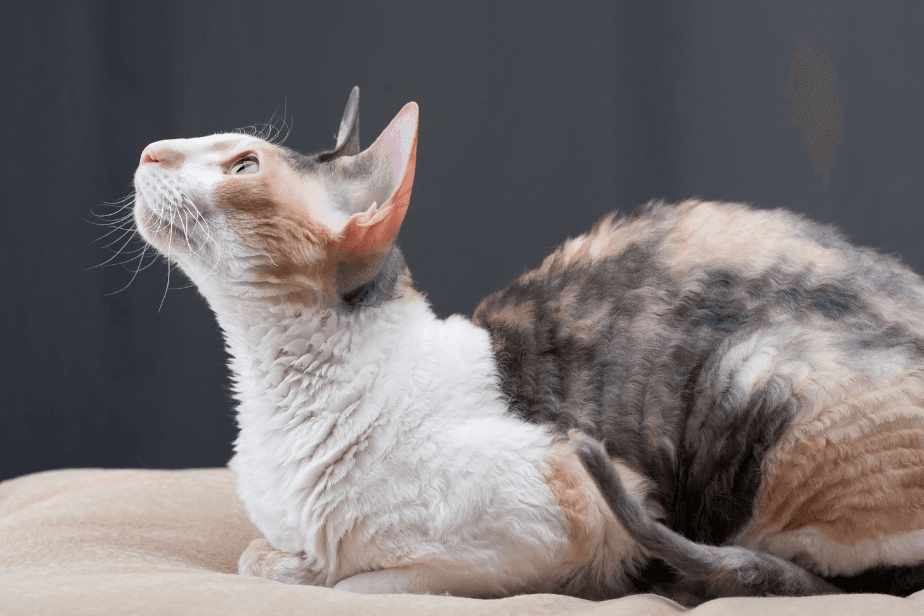
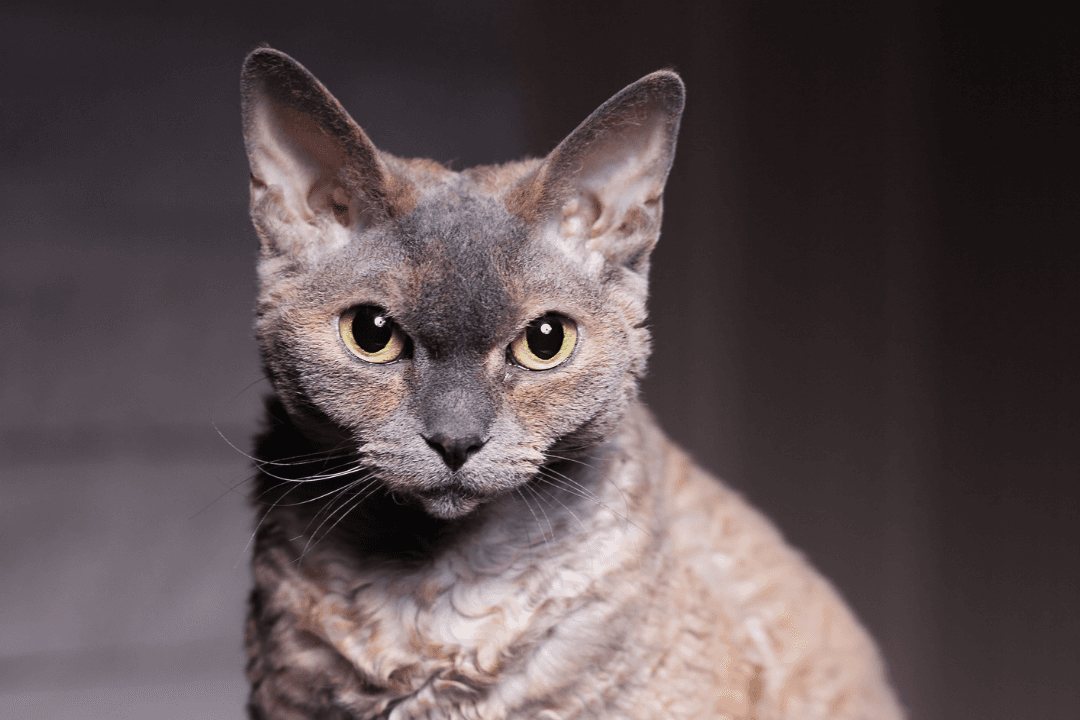
The Devon Rex is a slender, medium-sized, and muscular cat with a distinctive curly or wavy coat and frizzy whiskers. Their coat is made up almost entirely of soft undercoat, meaning they shed very little and can be a good option for allergy sufferers. Gently brush their coat about once a week to remove loose hairs and keep it healthy. A soft grooming glove is ideal for their delicate fur.
Health problems in a Devon Rex
The Devon Rex is generally a healthy breed but, of course, can be prone to certain hereditary diseases. One condition that can occur in the breed is so-called stud tail, which can in turn cause ear problems, oily deposits on the skin and itching. Another health issue is hypotrichosis, which means the cat becomes bald or loses fur on parts of its body.
Oral health
Did you know that brushing your cat’s teeth is one of the best ways to prevent dental disease? Daily brushing can significantly reduce the risk of your cat developing periodontitis. The dental conditionhere. The dental disease FORL is common among cats and often occurs together with periodontitis. Brushing your cat’s teeth can be a challenge, but with treats and a lot of patience your cat will eventually get used to it. Learn more about how to brush your cat’s teeth here You can find out more about cat dental care here.
Poisoning
Many common household items can be poisonous to cats. For example, certain plants can be harmful – find out which ones here. Further examples of what is poisonous to cats are chocolate and mouse and rat poison. It is important to store anything that is dangerous for cats in a place they cannot reach.