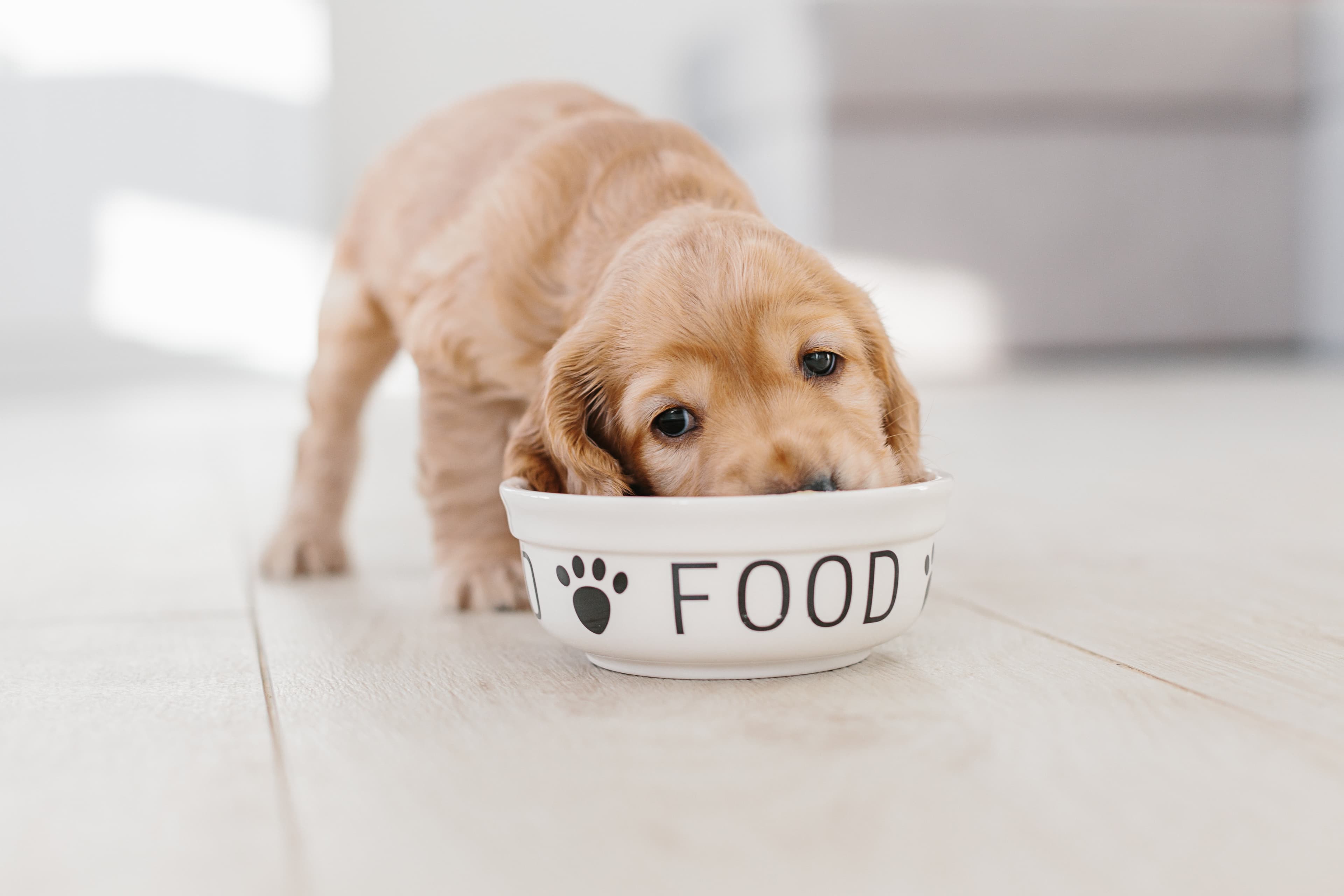
Puppy Food: Everything you need to know
As you get ready to welcome your new puppy home, you'll likely have a flurry of questions, including what to feed them. Navigating the world of dog food, especially puppy food, can be tricky, but we're here to help.
What should my puppy eat?
The simplest answer to this question is to let the dog eat the same food it was given at home by the breeder. Ask the breeder what food the puppy is used to and continue with that food, at least initially. Moving to a new family and environment is already a big adjustment for the puppy, so don't start by changing its food immediately. Often the breeder will send some food that the puppy is used to.
Changing your puppy's food
If you decide to switch foods after your puppy has settled in, that's perfectly fine. However, any food change should be gradual, taking place over several days. The only exception is if your puppy experiences vomiting or diarrhoea and requires a special bland diet. In this case, you can switch to the special diet immediately. Be cautious when transitioning back from the bland diet to their original food, as this also needs to be phased in over a few days while phasing out the bland diet.
When changing food, ensure the new option is specifically formulated for puppies. This is crucial because puppy food is designed to meet the unique nutritional needs of a growing dog. It might also be helpful to seek advice from a knowledgeable source, like a pet shop assistant, to determine the best food type for your puppy's specific breed and size.
How much should my puppy eat?
How much your puppy should eat is, of course, individual and depends partly on its size and specific needs. You should use the recommendation given on the food packaging as a guideline. However, you should also pay attention to how your puppy feels about the food and whether it is maintaining the correct weight.
Overweight puppies can face health issues later in life, as excess weight can be difficult to shift. Ideally, puppies should be lean, as carrying extra pounds can affect their skeletal development and how they learn to move. If your puppy is gaining too much weight on the recommended feeding amount, reduce their intake straight away and review any extra calories from chews or treats.
How long does my puppy need puppy food?
While it's often said puppies should eat puppy food until they're one year old, this is a bit of an oversimplification. Puppies only need food specifically adapted for growing dogs for as long as they are actively growing. The transition to junior or adult food should only happen once your dog has reached its full adult weight. This 'full adult weight' varies significantly depending on breed and size. If you're unsure when to switch your puppy or young dog to adult food, please consult your vet.
Can I give my puppy treats?
Of course, your puppy can enjoy some treats, especially when you want to reward good behaviour. Remember that treats should be considered part of their daily calorie intake. You can often use their regular kibble as training treats.
Feel free to pour your puppy's daily food intake into a bowl and also use it for training sessions, putting in activation toys and spontaneously rewarding behaviours you like.